Boxer Glue
September 6th – 20th, 2025
Opening: Sat, Sept 6 | 5–9 PM
Boxer Glue brings together two bold, imaginative artists for a lively exploration of figurative expression. Their works play with contrasts—joy and melancholy, movement and stillness, intimacy and distance—transforming these emotions into vibrant, tangible forms. With their distinct styles and shared spirit of experimentation, the show invites you to dive into a world where feelings come alive in unexpected and delightful ways.
Aaron Nemec
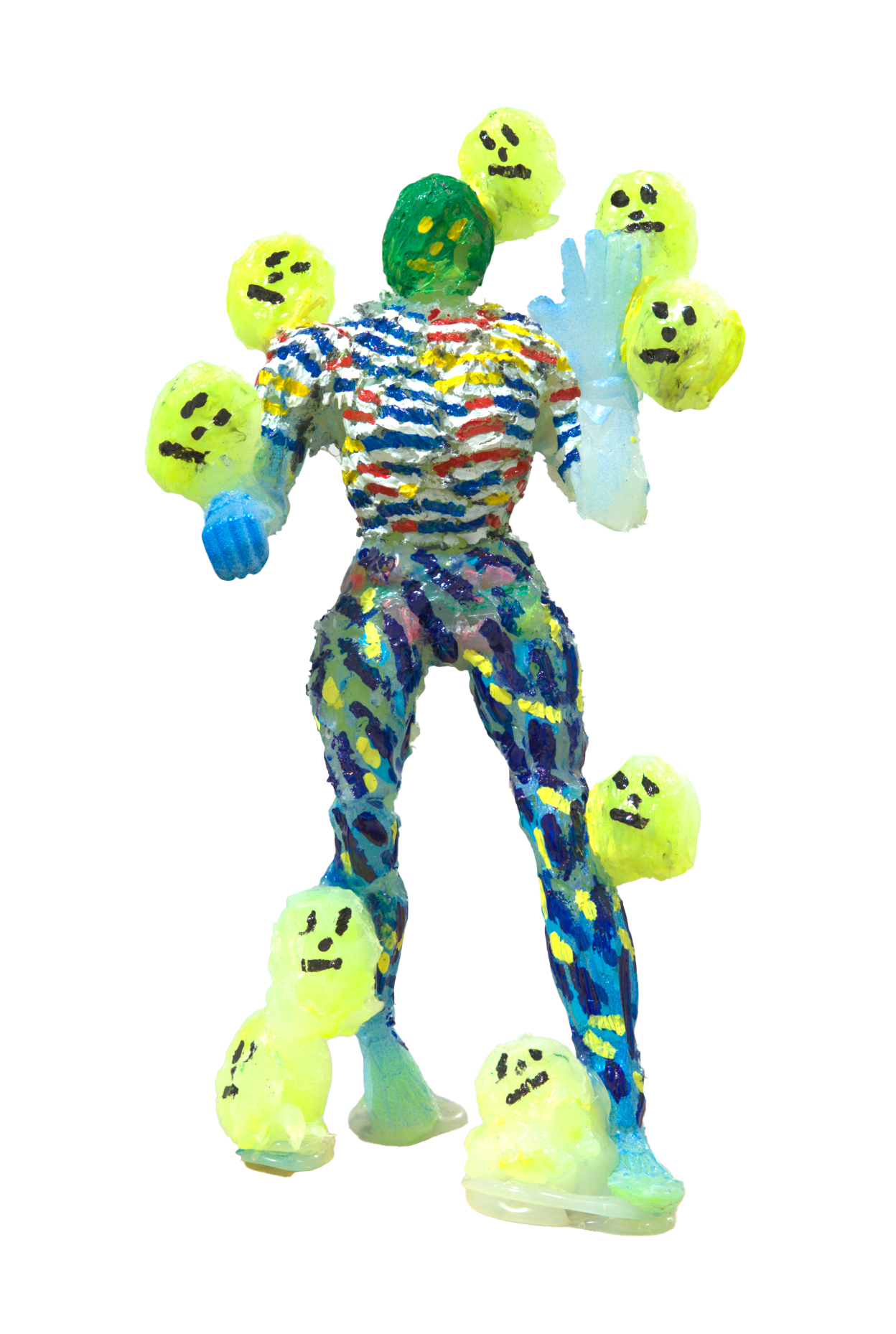
Aaron Nemec was born in Ohio and raised in Michigan. He earned his BFA in painting and drawing from the University of Michigan (2001) and MFA from Purdue University (2011) in the Electronic and Time-Based Art program. His sculptures, paintings, drawings, performance, audio, and video projects have been shown nationally and internationally. Recently, his sculptures have been exhibited at Pamplemousse Gallery (Richmond, VA), Hey There Projects (Joshua Tree, CA), Smoke the Moon (Santa Fe, NM), Riso Club (Leipzig, Germany), and The Drey Gallery (Toronto, Canada). He lives and works near the northern shores of Lake Michigan.
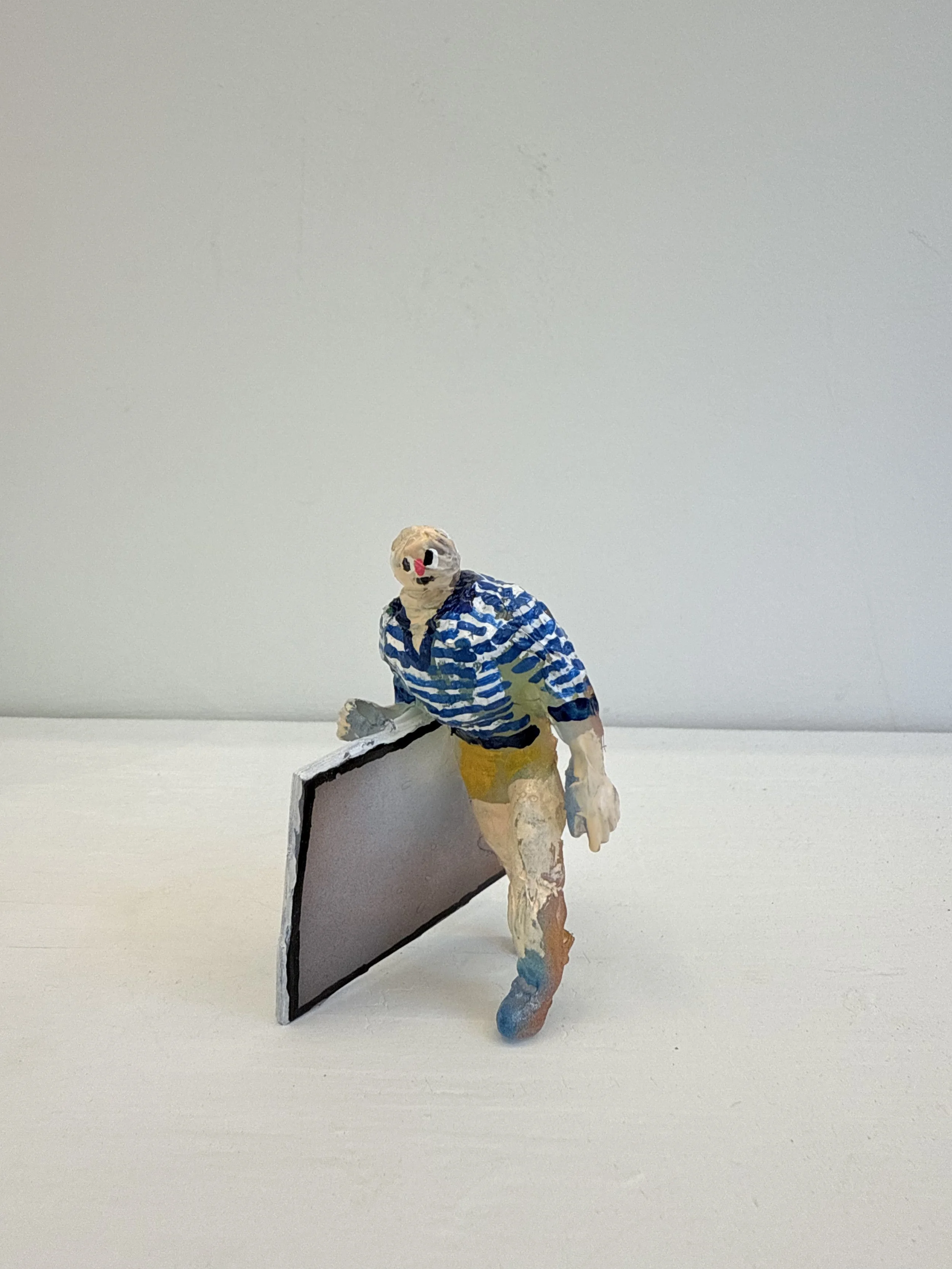
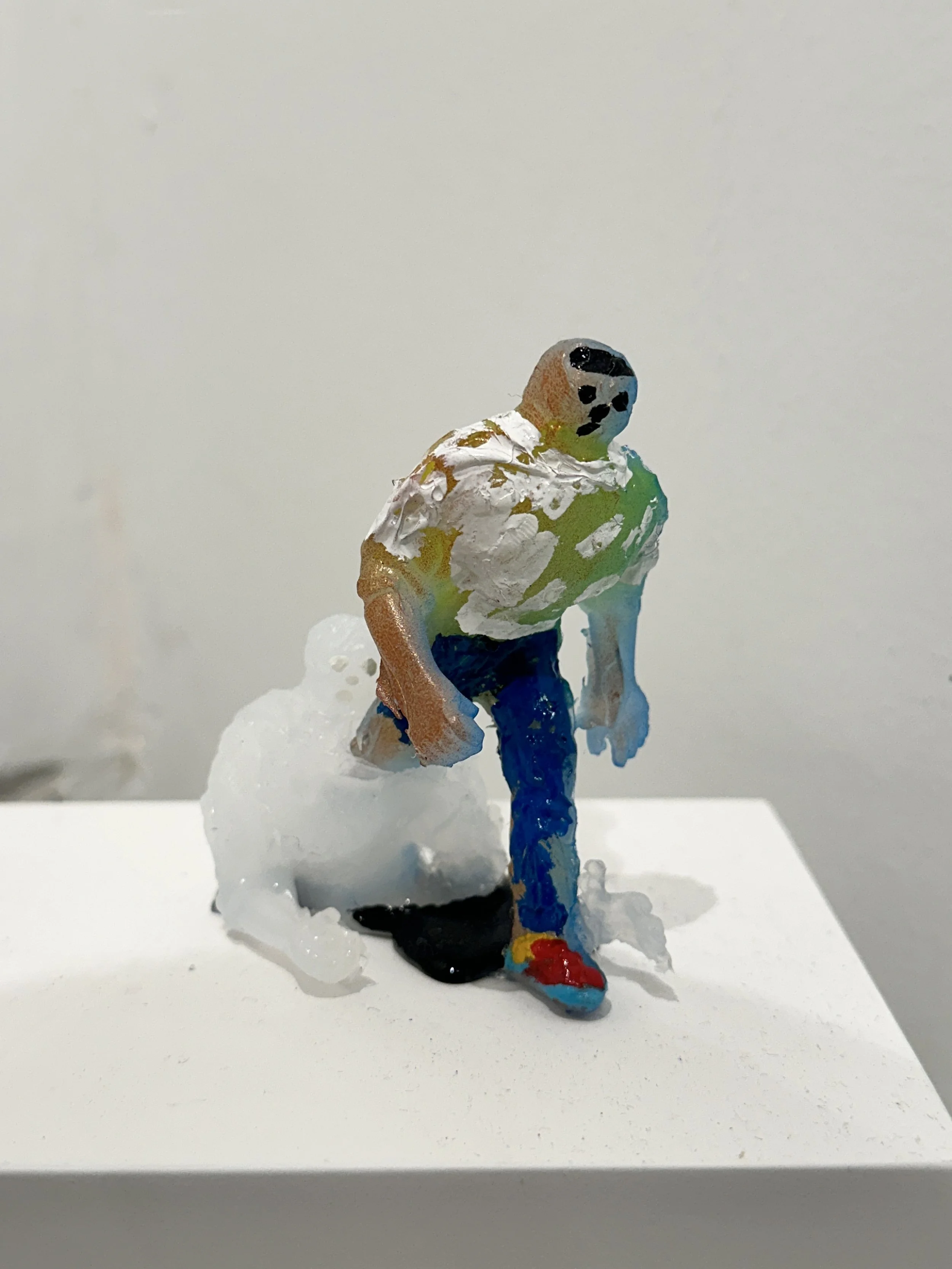
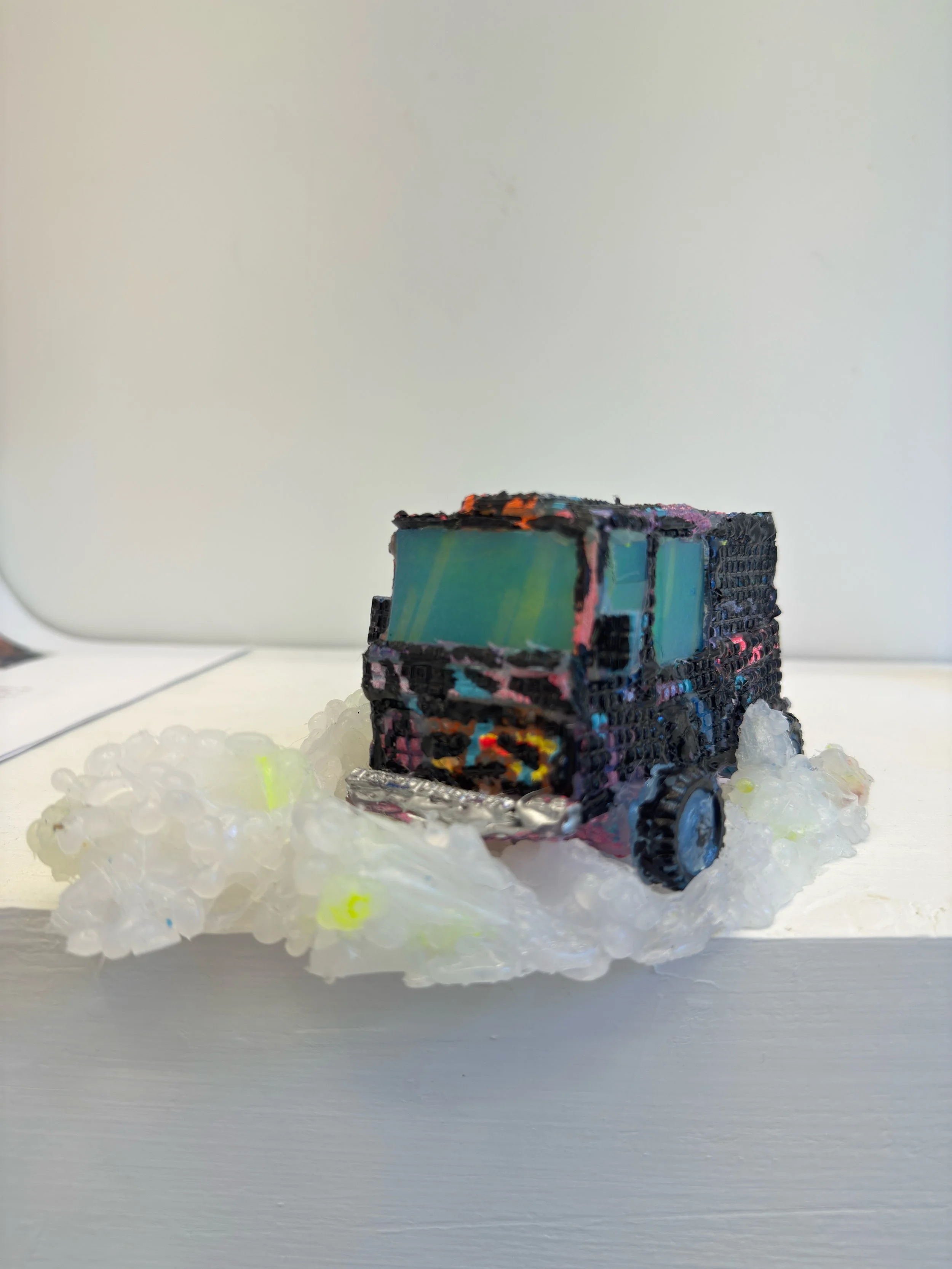
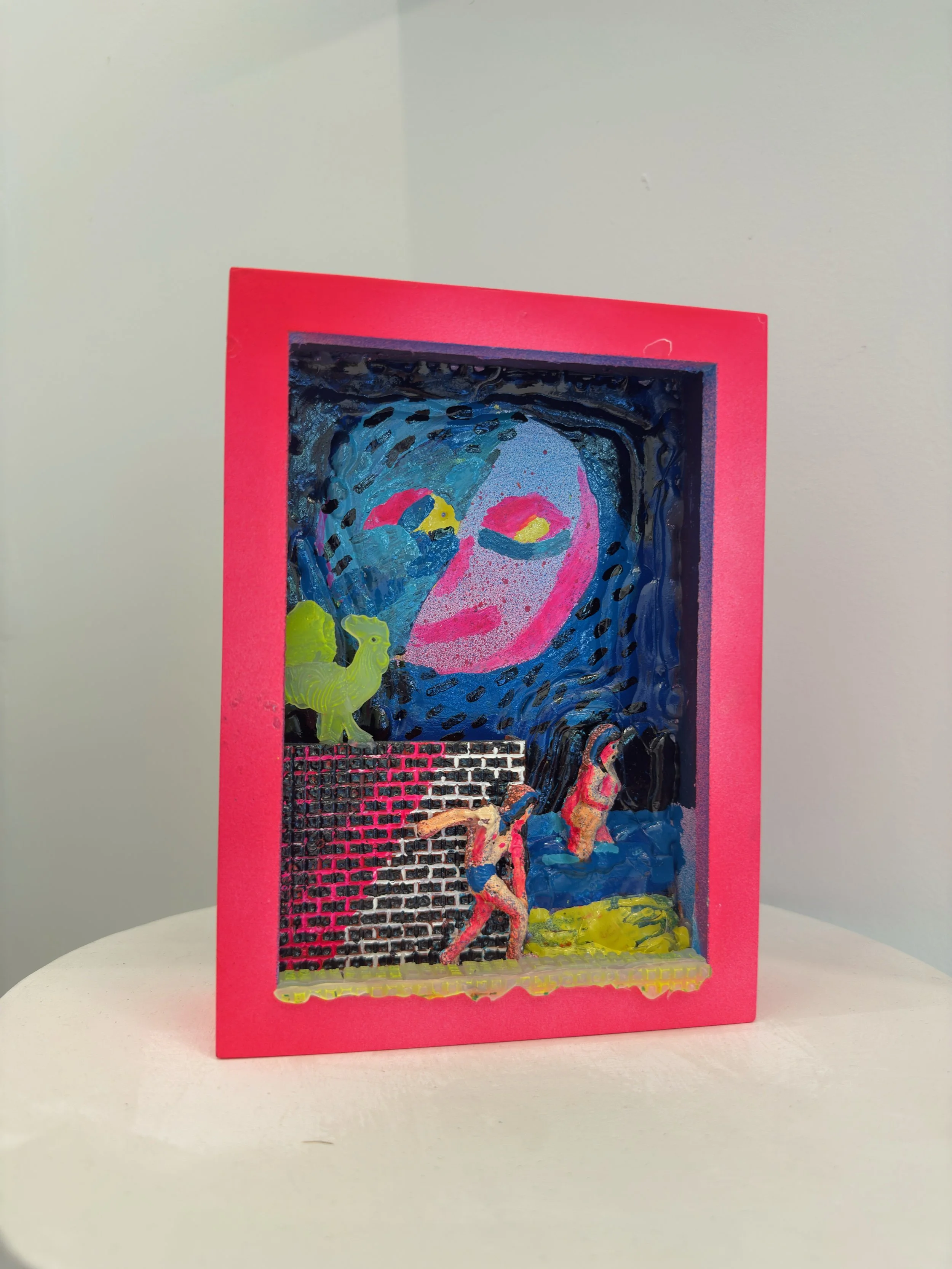
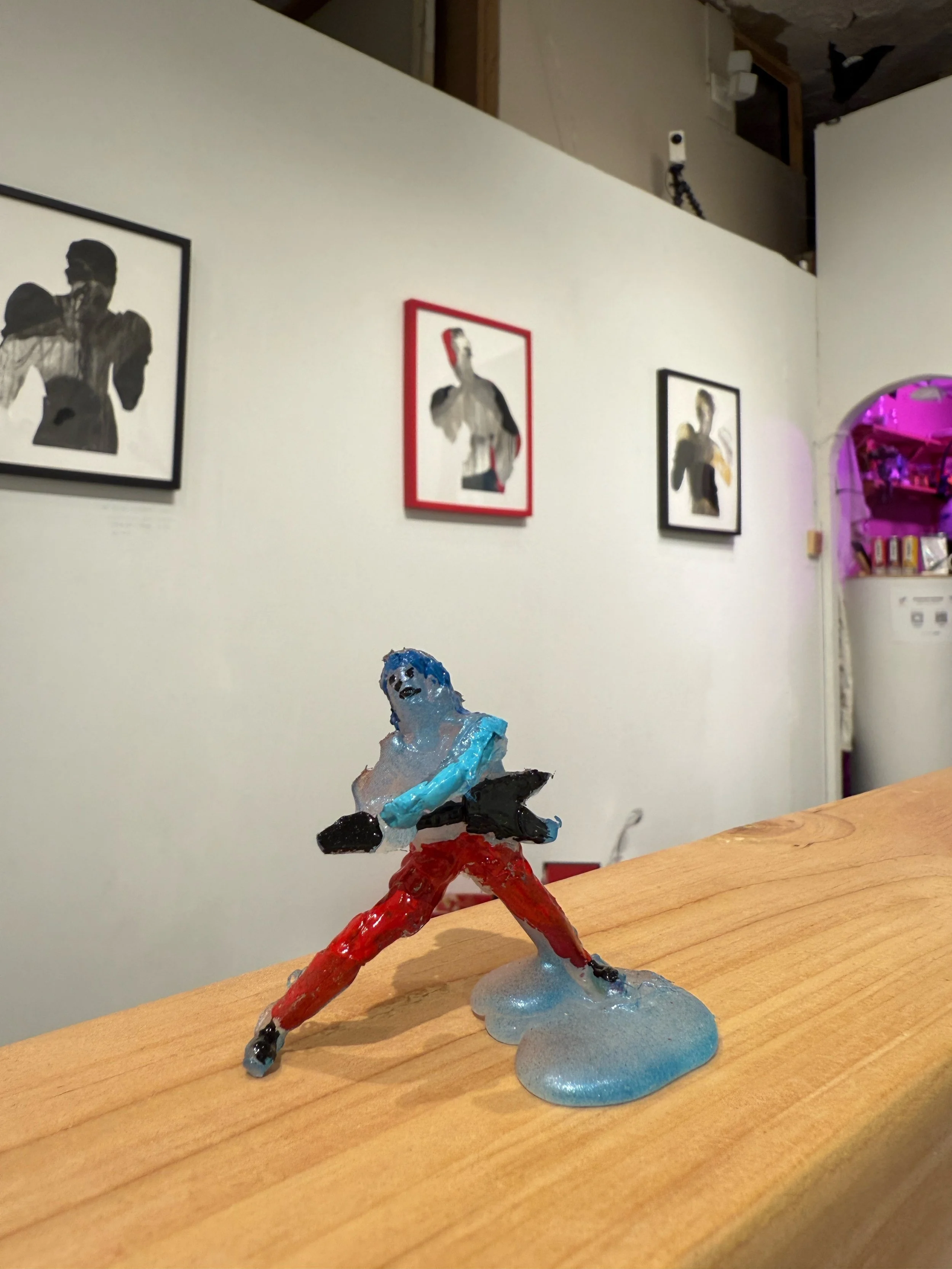
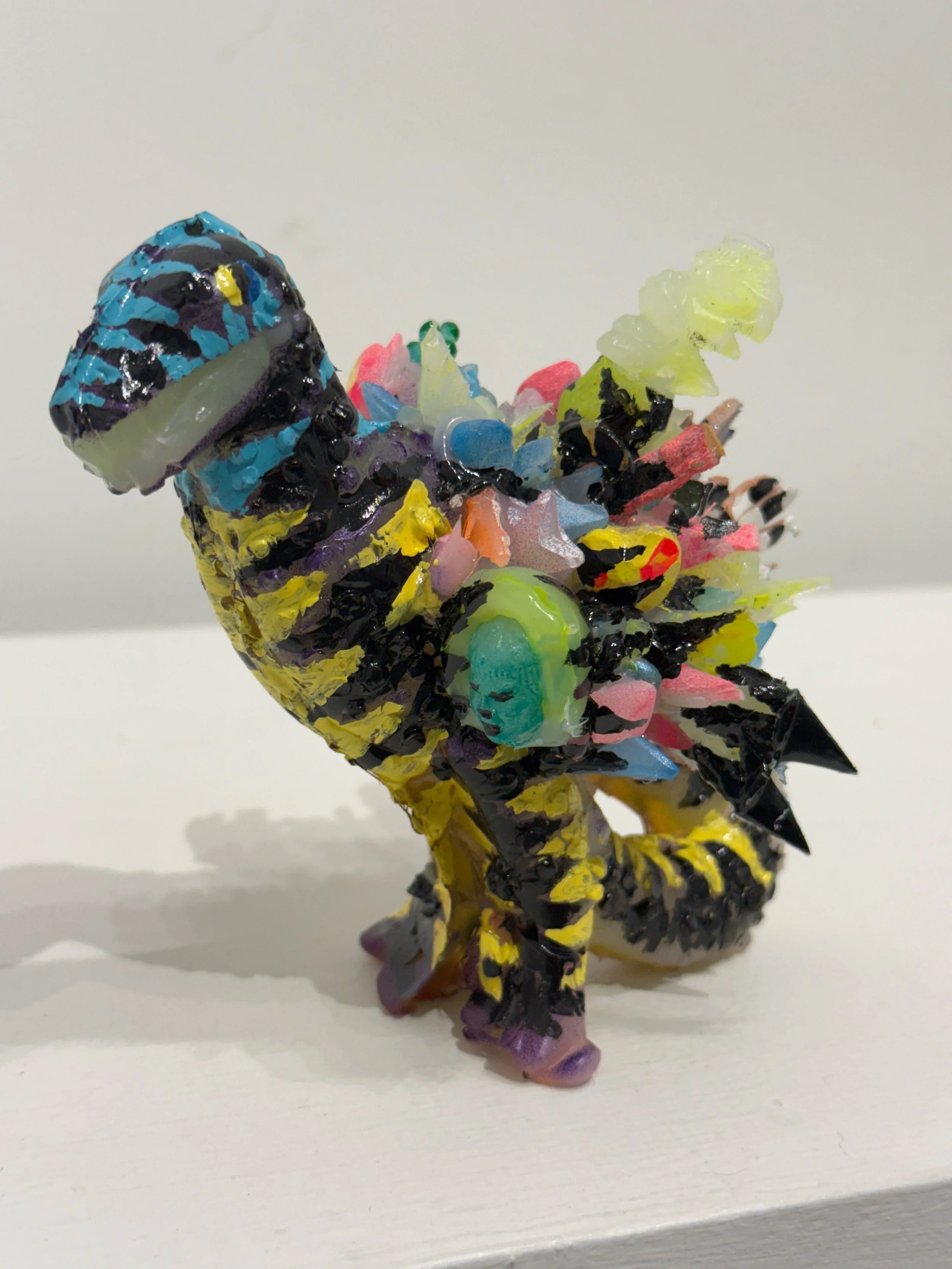
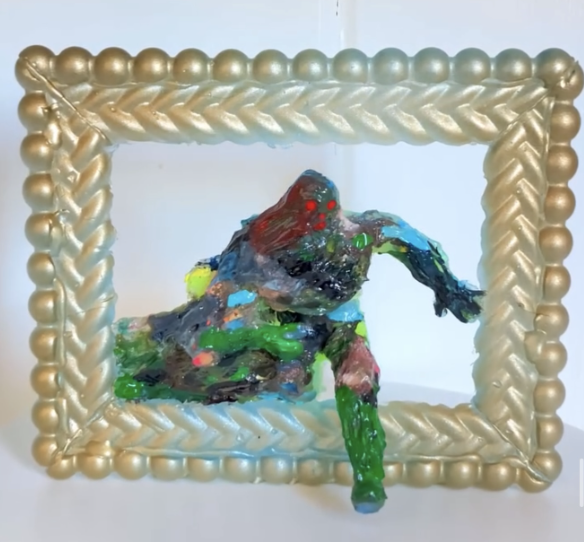
He creates sculptural work that utilizes the recognizable nature and smaller scale of mass-produced ephemeral junk. Some of these knick-knacks, toys, and figurines have attained value through forces of time, scarcity, oddness, or cultural reference. However, much of the stuff is already in or at the threshold of the town dump. Inspired by these old objects, the sculptures he makes are composed out of hot glue castings and fragments that he can replicate, chop, paint, and reassemble as he sees fit. The hot glue has a malleable, translucent quality that he enjoys manipulating into new collectables—new objects for the kitchen window sill or art gallery.
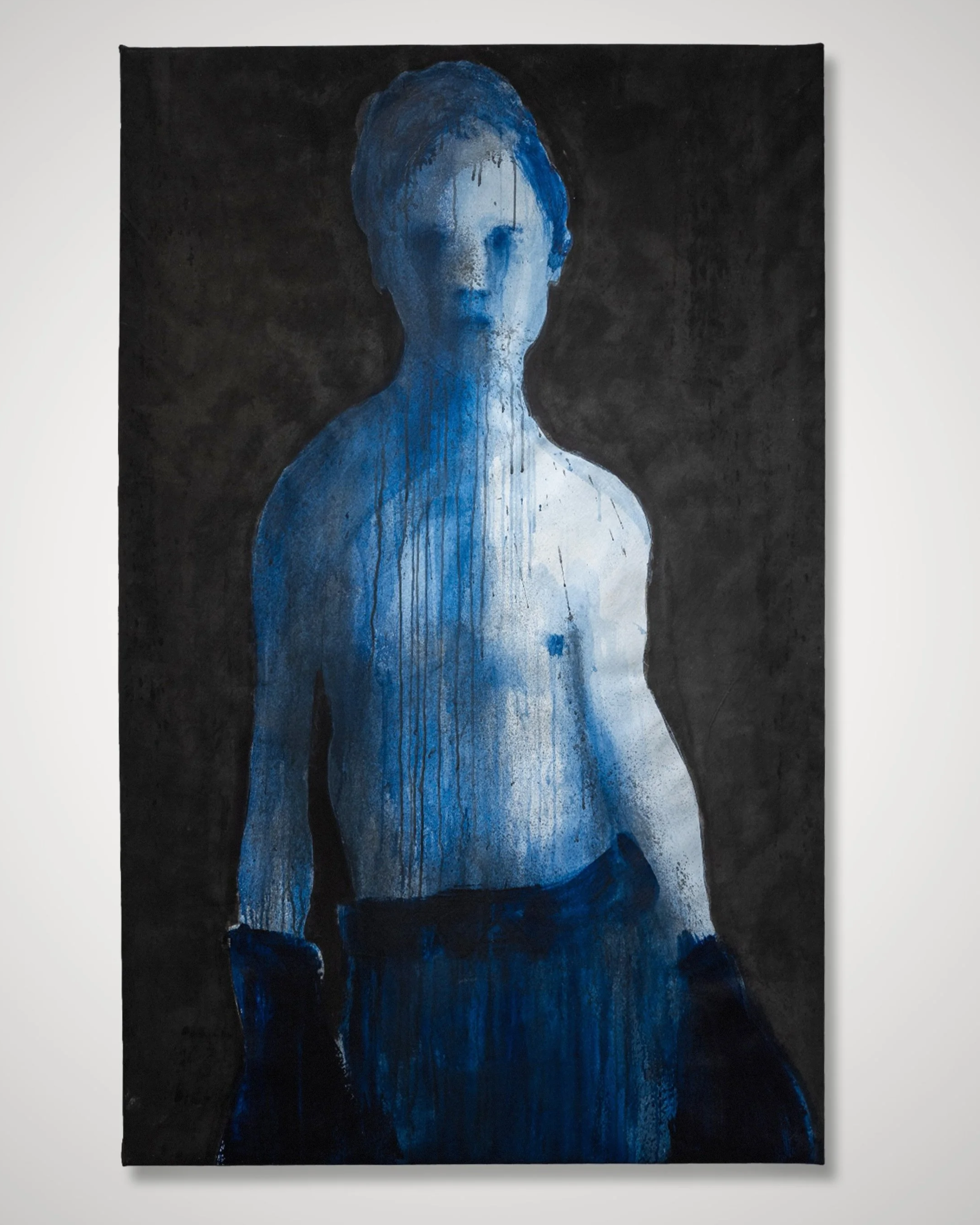
Greatboxers
Artist: George Spencer
George Spencer’s depictions of boxers belong to an old tradition of painting fighters in action. However, the aesthetics in Greatboxers lie in the stillness of readiness or aftermath. In these frontal portraits, upward-facing gloves dominate the picture space—simultaneously shielding the body and occupying the most central and significant area of the canvas.
“Gloves, faces, and bodies fill the paintings with an ambiguity that could indicate either triumph or defeat. The lines of paint, dripping in long verticalities and downward trajectories, are reminiscent of traces of blood or sweat. The excess of paint and the volatility of brushstrokes reveal a superfluity of movement, but also a stillness—containing the fighter’s readiness for combat or retreat. The frame confines these dialectical forces of life and beauty, death and form.”— Rawi Hage